If your doctor has recommended an MRI, you may be wondering what to expect and how to prepare. Magnetic Resonance Imaging (MRI) is a safe, non-invasive test that provides detailed images of your body’s soft tissues. Preparing properly helps ensure accurate results and makes the experience more comfortable for you.
At Crown Imaging, we guide you through each step so you’ll know exactly what to do before, during, and after your MRI. Below are tips on how to prepare for an MRI so you can set reasonable expectations.
Understanding MRI Scans
An MRI uses powerful magnets and radio waves to create detailed pictures of organs, muscles, ligaments, and other soft tissues. Unlike X-rays or CT scans, MRI does not involve radiation. It is commonly used to evaluate the brain, spine, joints, and even dental conditions such as temporomandibular joint (TMJ) disorders. Because the images are so precise, MRI is often chosen when doctors need to see beyond the bones and into the soft tissue structures.
Why Preparation Matters
Preparing for an MRI is important for two reasons: safety and accuracy.
Certain materials, such as metal implants, can interfere with the magnetic field. Following instructions also helps reduce anxiety and ensures you remain comfortable during the exam. When you prepare properly, the technologists and radiologists can focus on capturing the clearest images possible, which leads to reliable results.
Step-by-Step Guide to Preparing for an MRI
Step 1: Review Your Medical History
Before your MRI, share your medical history with your doctor and the technologist. If you have a pacemaker, cochlear implant, or any type of metal fragment in your body, it’s essential to disclose this information. You should also mention allergies, kidney problems, or if you’ve experienced claustrophobia in the past. Being open about your health ensures the exam is safe and tailored to your needs.
Step 2: Follow Dietary Instructions
Most MRI exams do not require fasting, but some may have specific dietary guidelines. Your clinic will let you know how to prepare for an MRI. They’ll tell you if you need to avoid food or drink beforehand. In general, staying hydrated is recommended.
Step 3: Dress Comfortably
Wear loose-fitting clothes without metal zippers, snaps, or buttons. Jewelry, watches, and hairpins should be removed before the exam. If your clothing contains metal, you may be asked to change into a gown provided by the clinic. Choosing simple, comfortable attire makes the process smoother and avoids delays.
Step 4: Manage Anxiety
The MRI machine is enclosed, and some people feel nervous about lying inside it. If you’re concerned, practice relaxation techniques such as deep breathing before your appointment. Many clinics provide earplugs or headphones with music to help you relax. If claustrophobia is severe, sedation may be an option, but this should be discussed with your doctor in advance.
Step 5: Arrive Early
Plan to arrive 15 to 30 minutes before your scheduled time. This gives you a chance to complete paperwork, ask questions, and settle in. Arriving early reduces stress and ensures the technologists can prepare you properly for the exam.
Step 6: During the Scan
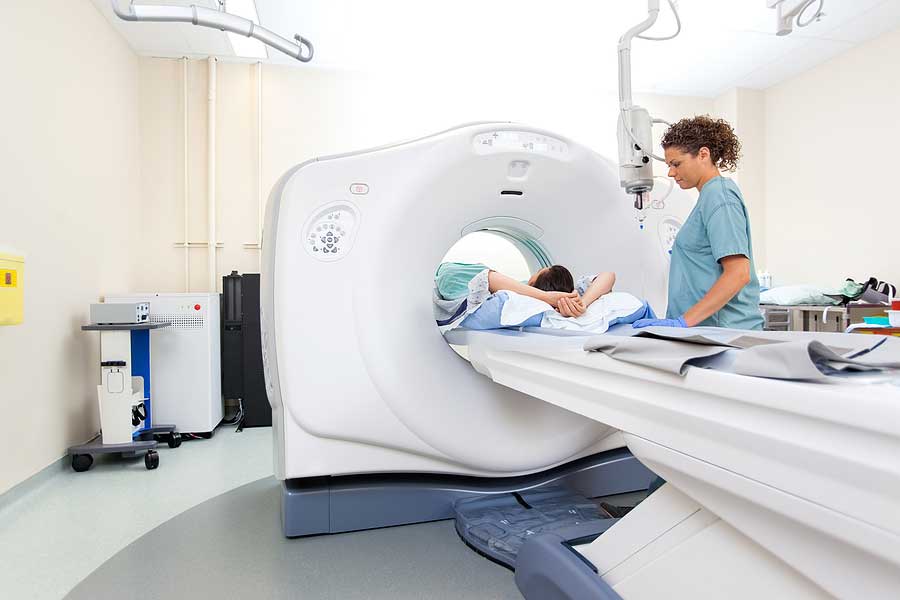
You’ll lie on a table that slides into the MRI machine. It’s important to remain still, as movement can blur the images. The machine makes loud tapping or thumping noises, which are normal. Ear protection is provided. You usually communicate with the technologist through an intercom. Knowing what to expect helps you stay calm and focused.
Step 7: After the Scan
Most patients can return to normal activities immediately after the exam. The radiologist will review your images, and your doctor will discuss the results with you. In many cases, results are available quickly, allowing your care plan to move forward without delay.
Safety Considerations
MRI is considered very safe, but precautions are necessary. Patients with certain implants or devices may not be eligible for MRI. Contrast dye is generally safe, though rare allergic reactions can occur. Always share your medical history and concerns with your healthcare team so they can take appropriate steps to protect you.
Patient Experience and Comfort
Your comfort during the exam is just as important as the images themselves. Experienced technologists guide you through the process. They can explain each step and answer questions. The environment is designed to be calm and supportive, helping you feel at ease. When you know what to expect, the exam becomes less intimidating and more manageable.
Choose Crown Imaging in Dallas, TX
At Crown Imaging, we combine advanced technology with the expertise of board-certified radiologists to deliver precise, reliable results. The technologists performing your scan have more than 15 years of experience, ensuring your exam is completed safely and comfortably. Our comprehensive range of diagnostic services includes MRI, CT, X-rays, Ultrasound, and Nuclear Medicine. That means you can rely on one location for all your imaging needs. Choosing Crown Imaging means you’ll receive patient-centered care in a calm, supportive environment.
Preparing for an MRI is straightforward when you know the steps. Reviewing your medical history, dressing appropriately, managing anxiety, and arriving early all contribute to a smooth experience. The exam itself is safe, non-invasive, and provides valuable information for your healthcare team. With the right preparation, you can feel confident and comfortable throughout the process.
If you’re scheduled for an MRI, remember that proper preparation is the key to accurate results and peace of mind. At Crown Imaging, we have a supportive environment designed to make your experience as stress-free as possible. Contact us today to book an appointment.