How Does an MRI Work
Magnetic Resonance Imaging (MRI) is one of the most advanced diagnostic tools available today. It allows doctors to examine the inside of your body in remarkable detail without using radiation. If you’re wondering what does an MRI show, the answer lies in its ability to capture clear images of soft tissues, organs, and internal structures. With modern imaging technology and expert interpretation by board-certified radiologists, facilities like Crown Imaging provide precise and reliable diagnostic insights that help guide your care.
If you are in Dallas, reach out to our team for your MRI needs.
What Is an MRI?
An MRI is a non-invasive imaging technique that uses powerful magnets and radio waves to create detailed images of your body. Unlike X-rays or CT scans, MRI does not use ionizing radiation, making it a safer option for repeated imaging.
Here’s how it works in simple terms:
- A strong magnetic field aligns particles in your body
- Radio waves temporarily disrupt this alignment
- Sensors detect the energy released as particles return to normal
- A computer converts this data into detailed images
MRI is particularly useful for examining soft tissues such as muscles, ligaments, nerves, and organs—areas that may not appear clearly on other imaging tests.
What Does an MRI Show?
So, what does an MRI show in practical terms? MRI provides highly detailed images of many internal structures, including:
- Soft tissues like muscles, tendons, and ligaments
- Organs such as the brain, liver, and kidneys
- Blood vessels and circulation patterns
- Nerves and spinal structures
Because of its precision, MRI is often used to detect abnormalities early, sometimes before symptoms become severe. It can also help monitor ongoing conditions and evaluate how well treatments are working. According to the U.S. Food and Drug Administration, MRI is widely used to identify abnormalities in the brain, joints, organs, and blood vessels.
Common Conditions Diagnosed with MRI
Here’s where MRI can provide help:
Neurological Conditions
MRI is frequently used to evaluate the brain and nervous system. It can help detect:
- Brain tumors
- Stroke or brain injury
- Multiple sclerosis
- Infections or inflammation
MRI can also measure blood flow and identify structural changes in the brain, making it a key tool in neurological diagnosis.
Musculoskeletal Issues
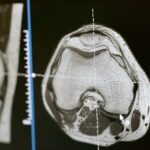
If you experience joint pain or injury, MRI can provide detailed images of:
- Torn ligaments or tendons
- Cartilage damage
- Spinal disc problems
- Joint inflammation
These insights help guide treatment plans, especially for sports injuries or chronic pain conditions.
Dental and Jaw Conditions
In dental imaging, MRI can be useful for evaluating soft tissue structures that are not visible on standard X-rays. This includes:
- Temporomandibular joint (TMJ) disorders
- Soft tissue abnormalities in the jaw
- Nerve-related pain affecting oral health
Advanced imaging centers like Crown Imaging can integrate MRI with other diagnostic tools to provide a more complete view of your condition.
Cardiovascular Conditions
MRI can also assess the heart and blood vessels. It helps detect:
- Structural abnormalities in the heart
- Blood flow issues
- Damage from heart disease
This makes it valuable for both diagnosis and long-term monitoring.
Abdominal and Pelvic Conditions
MRI is often used to evaluate internal organs and detect:
- Tumors or growths
- Organ inflammation
- Liver or kidney abnormalities
- Reproductive system conditions
Because MRI provides high-resolution images, it can help identify subtle changes that might otherwise go unnoticed.
When Your Doctor May Recommend an MRI
Your doctor may suggest an MRI if you have symptoms that require a closer look at soft tissues or internal structures. Common reasons include:
- Persistent or unexplained pain
- Neurological symptoms such as headaches or numbness
- Joint or muscle injuries
- Abnormal findings from other imaging tests
- Pre-surgical planning or follow-up care
MRI is especially useful when other imaging methods do not provide enough detail for an accurate diagnosis.
What to Expect During an MRI Scan
If you are scheduled for an MRI, knowing what to expect can help you feel more prepared.
- The scan typically lasts between 20 and 90 minutes
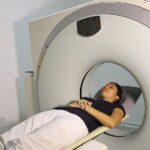
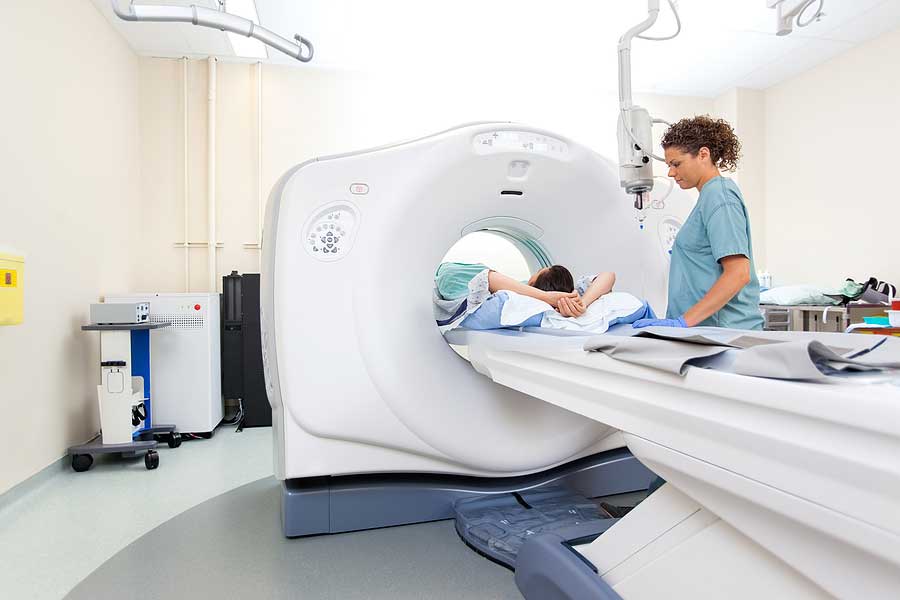
- You will lie still on a table that moves into the scanner
- The procedure is painless, though the machine can be noisy
- You may receive a contrast agent to enhance image clarity
Remaining still during the scan is important to ensure clear and accurate images.
Benefits of Choosing Advanced Imaging Services
Modern imaging centers combine advanced technology with skilled interpretation to improve diagnostic accuracy. When you undergo an MRI, you benefit from:
- High-resolution imaging for precise results
- Early detection of medical conditions
- Integration with other imaging services, like CT and ultrasound
- Expertise of board-certified radiologists
At Crown Imaging, these elements work together to provide reliable insights that support informed medical decisions.
Get in Touch With Crown Imaging.
Understanding what does an MRI show can help you appreciate the value of this powerful diagnostic tool. MRI provides detailed images of soft tissues, organs, and internal structures, making it essential for diagnosing a wide range of conditions.
Whether you are dealing with persistent symptoms or need further evaluation, an MRI offers a safe and effective way to gain clarity about your health. With advanced technology and expert care available at Crown Imaging, you can expect accurate results that help guide your next steps with confidence. Contact us today for inquiries.