What Does an MRI Show: Common Conditions Diagnosed with MRI
April 30, 2026
CT Scan vs X-Ray: When Doctors Choose Each Imaging Test
June 26, 2026
What are Your MRI Options?
Magnetic Resonance Imaging, or MRI, is an important diagnostic tool used to evaluate joints, muscles, organs, the spine, and even neurological conditions. Unlike X-rays or CT scans, MRI technology uses powerful magnets and radio waves instead of radiation to produce images.
When your doctor orders an MRI, you may hear about two main options: open MRI and closed MRI. Many patients compare these systems because comfort, scan quality, and personal medical needs can vary depending on the machine used. Some people feel anxious in enclosed spaces, while others need highly detailed imaging for more complex conditions.
Imaging providers such as Crown Imaging combine advanced diagnostic technology with board-certified radiologists to help patients receive accurate and reliable imaging results while also improving patient comfort during the scanning process. We’re here to provide top-of-the-line service in Dallas, Texas.
Why MRI Type Matters
Not all MRI systems provide the same experience. The type of MRI machine you use can affect:
- Your comfort level during the scan.
- The amount of space around you.
- Scan length.
- Image quality for certain conditions.
Choosing the right MRI system often depends on both your medical needs and your ability to remain comfortable and still during the procedure. Professional medical technologists and radiologists can answer your questions about each type of MRI, so you can feel more comfortable before your scan.
What Is a Closed MRI?
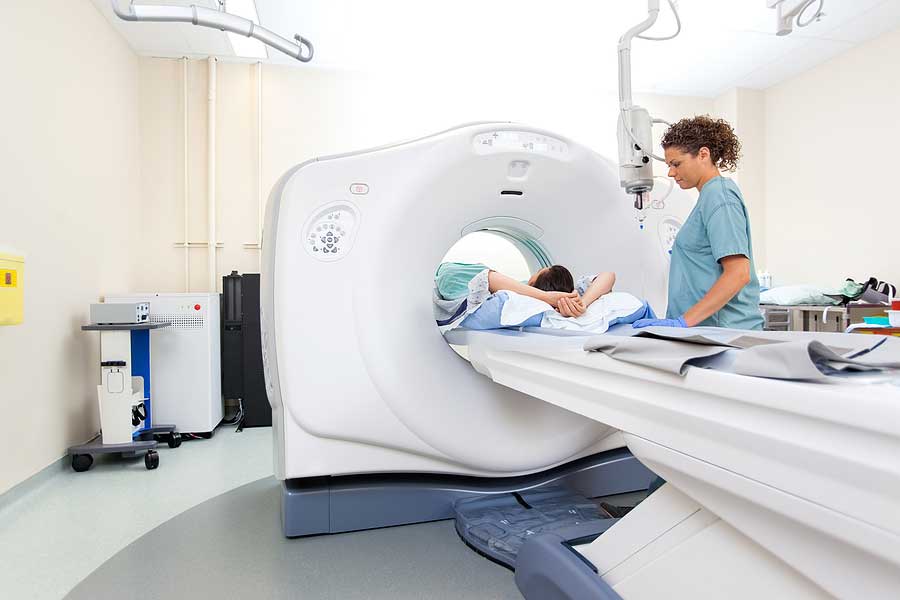
A closed MRI is the traditional MRI system. It’s what most people picture when they think about an MRI scan. It uses a tube-shaped machine where you lie on a table that slides into the enclosed scanner.
Pros of Closed MRI
Closed MRI systems are widely used because they can produce highly detailed images. In many cases, doctors prefer them for more complex imaging needs.
Some benefits to using a closed MRI may include:
- Sharper image quality for detailed evaluations
- Better imaging for neurological and orthopedic conditions
- Faster scan times for certain procedures
- Improved accuracy for some body areas
According to the National Institute of Biomedical Imaging and Bioengineering, MRI scans provide highly detailed images of soft tissues, making them especially useful for diagnosing injuries and internal conditions.
Cons of Closed MRI
Despite the imaging advantages, some patients find closed MRI systems uncomfortable. Some of their common concerns include:
- Claustrophobia caused by the enclosed space
- Loud knocking or buzzing sounds
- Limited room for movement
- Discomfort for larger body types
A study published by the National Institutes of Health (NIH) found that anxiety and claustrophobia can affect some patients during MRI procedures, occasionally making scans more difficult to complete.
Who May Benefit Most From Closed MRI
Although it depends on many other factors, closed MRI systems are often recommended if you need:
- Detailed brain or spine imaging
- Complex orthopedic evaluations
- High-resolution images for diagnosis
- Faster imaging for certain conditions
In many situations, the improved image clarity can help doctors make more precise evaluations.
What Is an Open MRI?
An open MRI uses a more open-sided design rather than a fully enclosed tube. This allows more space around your body during the scan and may help reduce your feeling of being confined.
Pros of Open MRI
The most common reason many patients choose open MRI systems is because they feel less restrictive. Other advantages of choosing an open MRI may include:
- More comfort for claustrophobic patients
- Easier scanning for children or anxious individuals
- Better accommodation for larger body types
- Increased visibility and openness during the scan
For patients who struggle with enclosed spaces, the more open environment can make the experience less stressful.
Cons of Open MRI
Open MRI systems also have some limitations depending on the technology used.
Potential drawbacks include:
- Image quality may vary between machines
- Some scans may take longer
- Certain complex conditions may still require closed MRI imaging
Although open MRI technology has improved significantly over time, some cases still benefit from the stronger imaging detail provided by closed MRI systems.
Who May Benefit Most From Open MRI
Open MRI may be a better option if you experience claustrophobia or have anxiety during medical procedures. If you need additional space for comfort or have difficulty remaining calm in enclosed environments, then an open MRI is the option for you. Many pediatric patients, for example, feel more relaxed with the open design.
Open MRI vs Closed MRI: Key Differences
When comparing open MRI vs closed MRI, the biggest differences usually involve comfort, image detail, and scanning conditions.
Comfort and Patient Experience
Closed MRI machines place you inside a narrow scanner, which may increase anxiety for some people. Meanwhile, open MRI provides more visible space around you, which can feel less intimidating.
Comfort differences may matter if you feel nervous in confined spaces, have trouble staying still, or experience anxiety during medical appointments.
Note that both types of MRI machines can be loud during operation. You may hear knocking sounds like buzzing noises and repetitive tapping. Many imaging centers provide earplugs or headphones to help improve comfort during the scan.
Image Quality and Accuracy
Closed MRI systems often provide sharper and more detailed images because they typically use stronger magnetic fields. However, modern open MRI technology has improved and may still provide excellent imaging for many conditions.
Scan Time
MRI scan length depends on the body area being examined and the type of imaging required. Some closed MRI scans may be completed more quickly, and open MRI scans can sometimes take longer. Remaining still is important for clear image quality.
Accessibility and Patient Size
Open MRI systems may offer more room for patients with larger body types or mobility concerns. The additional space can make positioning easier and reduce physical discomfort during longer procedures.
Choosing Between Open MRI and Closed MRI
Choosing the right MRI system depends on several factors, including your medical condition and personal comfort level.
Some things to consider include:
- Your doctor’s recommendation
- The body area being examined
- Your ability to stay still during the scan
- Claustrophobia or anxiety concerns
- The level of image detail required
Before your appointment, it may help to ask your radiologist questions such as:
- Which MRI type is best for my condition?
- How long will the procedure take?
- Are there ways to reduce anxiety during the scan?
- Will I need contrast dye for imaging?
At Crown Imaging, we help explain the differences between MRI systems and guide you toward the most appropriate imaging option for your situation.
If You’re Looking for Comfort and Accuracy, Contact Crown Imaging Today.
Both open MRI and closed MRI systems provide valuable diagnostic information, but the right choice depends on your individual needs. Closed MRI systems may offer greater image detail for certain conditions, while open MRI systems often provide a more comfortable experience for patients who feel anxious or claustrophobic.
Balancing comfort with imaging accuracy is an important part of the decision-making process. By discussing your concerns with your doctor or a radiologist, you can better understand which option may work best for you.
At Crown Imaging, we use advanced technology and have board-certified radiologists to support accurate imaging while helping patients feel more comfortable throughout the MRI process. Contact us today to request an appointment.

Related posts